Removals for West Kensington mews and narrow access properties
Posted on 21/06/2026
Moving house is stressful enough without a tight turning circle, a low archway, a shared courtyard, or a staircase that seems to have been designed by someone with a grudge. That is exactly why Removals for West Kensington mews and narrow access properties needs a different approach from a standard London move. In West Kensington, where mews homes, converted buildings, compact flats, and tucked-away entrances are common, success usually comes down to planning, the right vehicle, and a crew that knows how to work carefully rather than quickly-for-the-sake-of-it.
This guide breaks down how these moves work, what to check before moving day, where the usual problems appear, and how to reduce the risk of delays, damage, or surprise costs. If you are weighing up different options, you may also want to look at the broader removal services in West Kensington, along with the more compact man and van option in West Kensington for lighter, access-sensitive jobs.
Why Removals for West Kensington mews and narrow access properties Matters
At first glance, a removal is a removal. Boxes go out, furniture goes in, job done. In reality, narrow access changes almost everything. A van that would be fine on a normal street may be awkward in a mews. A sofa that fits through a front door can still fail at the hallway bend. And a loading point that looks convenient online may turn into a real headache once you are standing there with two wardrobes and a coffee table.
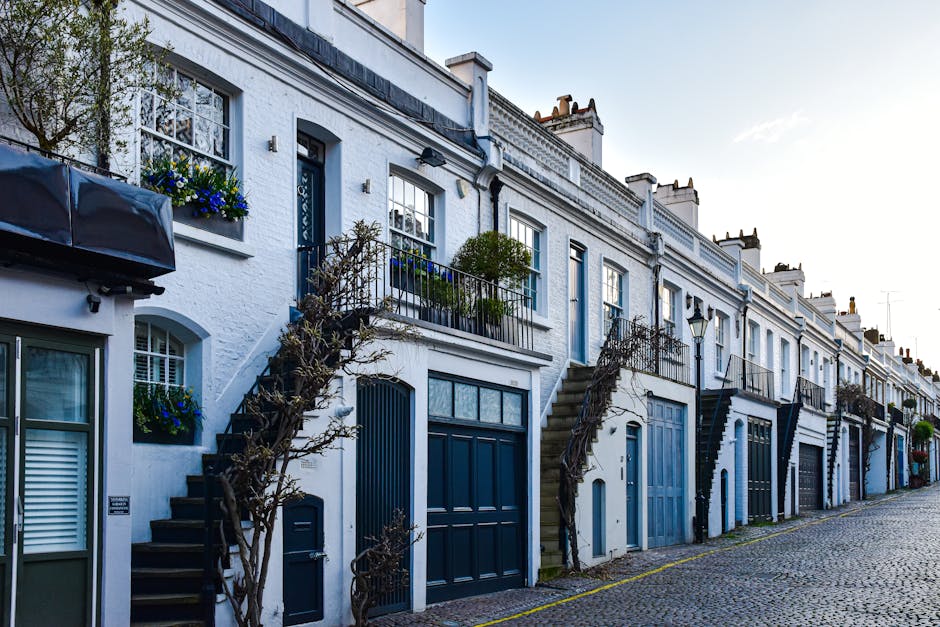
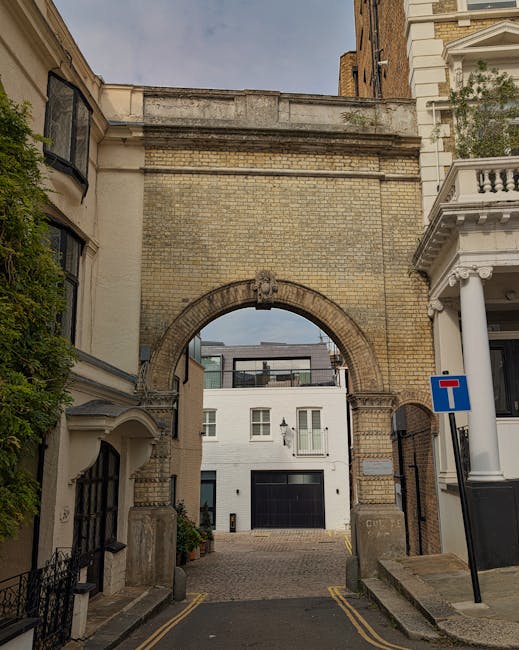
West Kensington has plenty of properties where access is the main challenge, not the contents. Mews homes often have limited street width, shared driveways, low walls, and parking that disappears fast. Narrow access flats can involve long carries, tight stairwells, basement steps, or awkward entrance turns. If those issues are not planned for, the move tends to drag on. Nobody wants that. Not you, not the removal team, and definitely not the neighbour trying to reverse a car at the same time.
This matters because access affects four things at once: time, safety, cost, and the likelihood of damage. A good plan helps with all four. A poor plan usually makes all four worse. Truth be told, the difference between a smooth move and a miserable one often starts before the first box is lifted.
It also matters because narrow access often creates hidden effort. For example, a move that looks "small" on paper may involve more carrying, more protective wrapping, more careful lifting, and a smaller vehicle. That is why many people compare specialist furniture removals in West Kensington and the broader house removals service before deciding which approach best fits the property.
How Removals for West Kensington mews and narrow access properties Works
A well-run narrow-access move starts with assessment. Not a vague "yes, that should be fine" over the phone, but a practical look at the property, the route, the parking situation, and the items being moved. If there is no site visit, the team should at least ask careful questions and request photos or measurements. The point is simple: surprises are expensive.
In practice, the process often looks like this:
- Access review - checking road width, turning space, kerb height, doorway size, stair layout, and any obstacles such as bollards, gates, or shared courtyards.
- Vehicle choice - selecting a van that can reach the property without causing a traffic jam or risking contact with walls, railings, or parked cars.
- Load planning - deciding what comes out first, which items need dismantling, and which pieces should be wrapped or carried separately.
- Protective preparation - using covers, blankets, edge protectors, floor protection, and often extra hands for awkward items.
- Controlled loading and unloading - moving carefully, keeping communication clear, and avoiding the "rush now, regret later" approach.
For tighter moves, a smaller vehicle can be the smartest choice. That is why some customers lean towards a removal van in West Kensington or a flexible man with a van in West Kensington rather than booking a large truck that simply cannot get close enough. In a mews, close access is not a nice extra. It is usually the whole game.
Sometimes the move needs staged handling. For example, larger furniture may be brought out to a safer transfer point, then loaded into the vehicle nearby. Other times, the removal team may need to park a little further away and carry items by hand. That is not ideal, but it is manageable when planned properly. A team familiar with flat removals in West Kensington will usually already understand long carries, stairs, and careful handling in confined spaces.
If time is tight, access planning matters even more. In some cases, an urgent slot may be possible through same-day removals in West Kensington, but only if the route and loading conditions are realistic. Same-day and narrow access can work together, but they do not forgive poor preparation. Not even a bit.
Key Benefits and Practical Advantages
Done properly, a narrow-access move can actually be calmer than a standard one. That sounds counterintuitive, but it is true. When the team has mapped the access carefully, every part of the move becomes more deliberate. Less guesswork. Fewer awkward moments. More control.
- Lower risk of damage - carefully chosen routes and smaller vehicles reduce the chance of scraping walls, gates, or parked vehicles.
- Better timing - a realistic access plan helps avoid delays caused by unsuitable parking or blocked routes.
- Improved safety - fewer rushed lifts and better use of equipment reduce the chance of injury or dropped items.
- Less stress on moving day - when people know what is happening, the day feels far less chaotic.
- More accurate pricing - a transparent assessment usually gives a more realistic quote than a quick estimate based on floor space alone.
There is also a practical advantage that people sometimes overlook: a team that is used to tight-access work is often better at problem solving. If a route is blocked, a lift is too small, or parking is temporarily unavailable, they are more likely to adapt without panic. That calm, steady pace is worth a lot in a dense London neighbourhood where every minute seems to matter.
For some households, these benefits extend beyond the move itself. If items need to be held briefly before delivery, you may find it useful to combine the job with storage in West Kensington. And if packing is part of the challenge too, packing and boxes in West Kensington can help you reduce loose ends before the van arrives.
Who This Is For and When It Makes Sense
This type of service is for anyone moving from, into, or around a property where access is not straightforward. That includes mews houses, basement flats, top-floor conversions, courtyard properties, and homes with staircases that twist a little too enthusiastically. It also suits business owners moving stock or equipment through tight premises, though office moves are their own animal entirely.
You are likely to need a narrow-access removal if any of these sound familiar:
- The property is on a narrow lane, mews, or side street with limited parking.
- There is no off-street loading space.
- Furniture must pass through a compact hallway, stairwell, or doorway.
- The road is busy enough that access has to be timed carefully.
- Large items such as wardrobes, sofas, mirrors, or pianos need specialist handling.
- You want a move with minimum disruption to neighbours and passers-by.
Students moving into smaller properties often face this exact situation, especially in shared accommodation or converted buildings. In that case, a student removals service in West Kensington can be a better fit than a larger, more formal setup. It is usually quicker, simpler, and easier to coordinate around tenancy dates.
Commercial customers can also run into narrow access issues, particularly in retail units with stockrooms, rear entrances, or loading restrictions. If that is your situation, it helps to review the broader office removals in West Kensington and related planning guidance. A shop move near a busy junction is not the same as a domestic move, but the access logic is surprisingly similar.
Step-by-Step Guidance
Here is a straightforward way to prepare a narrow-access move without overcomplicating it. Nothing fancy. Just the stuff that genuinely helps.
- Measure the awkward bits first
Measure doors, stair widths, landings, and the biggest item you own. Then compare that with the route out of the property. If a bed frame can only pass upright and the hallway has a low ceiling, you want to know that before moving day, not during it. - Check vehicle access
Look at the street at the same time of day your move will happen. Morning can feel very different from late afternoon. Delivery vans, school traffic, and general London life can change the picture fast. - Identify loading points
Where can the vehicle wait? Is there a bay, side street, or temporary stopping place nearby? If not, how long is the carry from the property to the van? - Declutter before packing
The fewer items you move, the fewer trips you need. This is the easiest win in the whole process, and people still underestimate it. - Pack by access order
Put the items you will need first near the front, and label fragile or awkward boxes clearly. You do not want to be digging for kettle leads while someone is waiting at the bottom of a narrow stair. - Disassemble where sensible
Flat-pack furniture, bed frames, and shelving often move more safely when broken down. Keep screws and fixings in labelled bags. Small thing, huge difference. - Confirm the plan with the removal team
Share any restrictions, including concierge rules, neighbour access, parking concerns, or security gates. The more honest the brief, the smoother the day. - Protect floors and corners
In narrow spaces, even a careful move can scuff painted walls or chipped skirting if nobody is prepared. Good protection is not overkill; it is basic sense.
People sometimes ask whether a smaller vehicle is always the answer. Not always. If the move involves a lot of volume, a larger van or a second trip may be more efficient. The right answer depends on the property, the inventory, and the street. That is why a proper quote process matters, and why it is sensible to compare removal companies in West Kensington rather than choosing purely on price.
Expert Tips for Better Results
There are a few small habits that make a big difference in mews and narrow-access removals. They are not glamorous. They just work.
- Take photos of the route - doors, stairs, the outside approach, and any tight corners. A few phone photos can save a surprising amount of back-and-forth.
- Be honest about bulky items - if that wardrobe only just survived two house moves and a miracle, say so.
- Book the earliest sensible slot - morning access tends to be cleaner, quieter, and easier to manage in busy streets.
- Keep one path clear - even a narrow hallway works better if it is not filled with bags, shoes, or last-minute clutter.
- Use soft wrapping for high-contact furniture - corners, glass, and polished wood benefit from extra care.
A little humour helps too, because moving day can get weird. There is always one item that refuses to fit the way it fitted at home last time. Always. The trick is not to force it. Pause, rotate, adjust, and if needed, dismantle. That simple patience often saves the day.
If the job is physically awkward or involves a single heavy item, such as a piano or large cabinet, you may want to review more specific services like piano removals in West Kensington or broader furniture removals. These are not just add-ons; in a tight property, specialist handling can be the difference between manageable and messy.
And if the move is happening on a very compressed timetable, do not assume speed and care are enemies. They are not. But you do need a team that knows how to keep both in balance.

Common Mistakes to Avoid
A lot of narrow-access problems are predictable. That is the frustrating part. The good news is they are also avoidable.
- Guessing vehicle size - booking too large a van can block access or force a long, slow unload.
- Ignoring parking rules - in London, parking assumptions are risky. Always check the realistic loading option for the day and time.
- Failing to measure furniture - "it looked fine last time" is not a measurement.
- Leaving packing until the last minute - tight spaces punish poor packing because every delay is magnified.
- Not flagging access restrictions - gates, codes, concierge rules, and neighbour sensitivities matter.
- Overfilling boxes - heavy boxes are awkward in stairs and small halls, and they are much harder to carry safely.
One of the biggest mistakes is thinking that a narrow-access property only needs "a bit more care". In reality, it often needs a different plan entirely. If you want a clearer picture of how quotes can change when access is tight, the article on hidden removals charges in West Kensington is a useful companion read.
Another common one: underestimating how long a short carry can take. A 20-metre walk from van to front door sounds harmless. Add stairs, a bend, a heavy sofa, and a couple of parked cars, and suddenly it is a proper operation. Not dramatic, just real.
Tools, Resources and Recommendations
You do not need a warehouse of specialist kit to manage a narrow-access move, but a few tools make life much easier. Most good removal teams will bring these automatically; if you are self-managing any part of the move, they are worth thinking about in advance.
| Tool or item | Why it helps | Best used for |
|---|---|---|
| Furniture blankets | Protects painted surfaces and polished items | Wardrobes, tables, cabinets |
| Edge protectors | Reduces damage during tight turns | Door frames, corners, stairwells |
| Floor covers | Helps keep hallways and entrances clean | Long carries, rainy days, shared entrances |
| Tools for dismantling | Makes oversized furniture easier to move | Beds, shelves, desks |
| Labelled packing tape | Speeds up unloading and room placement | Any move with multiple rooms |
For many customers, the most useful resource is not a tool at all but clarity. A reliable quote, a realistic inventory, and a calm moving plan are worth more than a dozen "how to move" videos. You may also find it helpful to review the services overview so you can see how different move types fit together, or check about the company if you want a better feel for experience and approach.
For broader moving support, the main removals page is useful as a starting point, especially if your move combines several needs at once. For example, a flat move, a storage gap, and a few bulky pieces. That happens more often than people think.
Law, Compliance, Standards or Best Practice
For domestic removals, there is not usually one single legal rule that dictates how a mews move must happen. But there are still important standards and best practices to respect. In London especially, access, parking, loading, manual handling, and property protection are all practical compliance issues even when they are not dramatic legal ones.
A trustworthy removal provider should pay attention to:
- Safe manual handling - lifting technique, team coordination, and using the right equipment for the weight and shape of items.
- Insurance and safety arrangements - clear handling of risk, especially where items are valuable or the access is awkward.
- Property care - protecting shared hallways, floors, bannisters, and external surfaces.
- Clear terms and pricing - so access difficulties are not hidden until the last minute.
- Respect for neighbours and building rules - particularly in shared mews environments and conversion buildings.
If you are comparing providers, it is sensible to look at insurance and safety information as part of your decision, and to understand the terms before committing by reading the terms and conditions. If any concern remains about how the business handles issues, the complaints procedure is worth reviewing too. That may sound formal, but honestly, it is just part of choosing carefully.
For customers who care about business ethics and responsible operations, there is also value in checking the modern slavery statement, as well as the company's stance on recycling and sustainability. These pages do not move the sofa for you, obviously, but they do help build trust.
And yes, privacy matters too. If you are sharing photos of your property, access route, or inventory, it is reasonable to check the privacy policy and cookie policy so you know how your information is handled.
Options, Methods, or Comparison Table
Different access problems call for different moving methods. There is no one-size-fits-all answer, which is exactly why an experienced mover will ask questions before quoting.
| Method | Best for | Strengths | Limitations |
|---|---|---|---|
| Small removal van | Narrow streets, mews lanes, limited parking | Easier access, more manoeuvrable | May need extra trips for large loads |
| Man and van | Smaller moves, partial loads, short-notice jobs | Flexible and often cost-effective | Not always ideal for bigger households |
| Full removal team | Larger homes, complex furniture, multiple rooms | More manpower, faster loading, better for heavy items | Needs more space and careful coordination |
| Storage plus move | Delayed move-ins, staged moves, renovation gaps | Great when timing does not line up neatly | Requires extra planning and coordination |
If you are only moving a few items, a man and van may be enough. If you have a full household in a tight mews, a larger team with a smaller access-friendly vehicle is often better. If the move involves a temporary gap, storage can keep things simple. The sensible option is the one that fits the access, not the one that sounds cheapest on paper.
Case Study or Real-World Example
Here is a realistic example based on the kind of move that comes up often in West Kensington. A couple moving out of a mews property had a sofa, a dining table, two beds, and a fairly determined number of boxes. The street was narrow, parking was limited, and the doorway sat at an awkward angle behind a small shared entrance.
Rather than sending in a large vehicle and hoping for the best, the move was planned around a smaller van and an early start. The team checked the access in advance, confirmed which furniture needed dismantling, and wrapped the bigger surfaces before loading. One stair bend required a bit of patience. A wardrobe also tried to become a mathematical problem for a minute. It lost.
The result? No drama, no wall damage, and the move finished far more calmly than the customers had expected. They had thought the mews setting would make everything slower. In a way it did, but careful planning meant slower did not turn into stressful.
This is the pattern you see again and again. The move itself is not usually impossible. It just needs the right shape.
If you want to see how access-sensitive moves connect with local life and property types, the article on packing and removals for flats on Talgarth Road is a useful nearby example. And for time-pressured urban moves, same-day removals from Lillie Road and Fulham Palace Road shows how timing and route planning often go hand in hand.
Practical Checklist
Use this as a quick pre-move check. It is simple, but it covers the details that usually matter most.
- Measure doorways, stairs, landings, and any awkward turns.
- Confirm whether a van can actually stop near the property.
- Take photos of access points and send them if requested.
- Identify bulky items that may need dismantling.
- Pack heavy items into smaller boxes to keep carrying safe.
- Label fragile and priority boxes clearly.
- Protect floors, corners, and surfaces in advance.
- Check building rules, gates, codes, and neighbour constraints.
- Keep essential items separate for first-night use.
- Review the quote and ask what happens if access is harder than expected.
Expert summary: if the property is tight, the move should be treated like a route-planning exercise as much as a packing exercise. That mindset alone prevents a lot of issues.
Get a free quote today and see how much you can save.
Conclusion
Removals for West Kensington mews and narrow access properties work best when the move is designed around the property rather than the property being forced to fit the move. That sounds obvious, but it is where a lot of stress comes from. Measure carefully, choose the right vehicle, pack with access in mind, and ask direct questions before the day arrives.
West Kensington has plenty of homes and businesses where the main challenge is not volume, but access. Once you plan for that properly, the rest becomes much more manageable. And if you are feeling a bit overwhelmed, fair enough - most people do at first. The good news is that a thoughtful move in a tight space is absolutely doable. Steady beats rushed every time.
If you would like to speak to a team about a specific property layout, route, or time constraint, the best next step is to use the contact page to outline what you need and ask for a quote based on the real access conditions.