Commercial removals for shops near Kensington Olympia station
Posted on 28/05/2026
Commercial removals for shops near Kensington Olympia station: a practical guide for smooth, low-disruption moves
Moving a shop is never just about lifting stock into a van. Commercial removals for shops near Kensington Olympia station usually means working around trading hours, tight pavements, customer access, fragile displays, and the simple reality that a closed shop loses momentum fast. If you're trying to relocate a boutique, convenience store, salon, gallery shop, or small retail unit in this part of West London, you need a plan that protects your stock, your team, and your opening schedule.
This guide walks through how retail removals near Kensington Olympia station typically work, what to prepare, where delays usually happen, and how to keep the move as calm as possible. Truth be told, the best shop moves are the ones that look almost boring on the day. No drama, no panic, no random missing till drawer at 8:45 a.m. That's the goal.
For readers who want a broader look at the service range behind this kind of move, it can also help to review the company's services overview and the wider removal services in West Kensington available for local businesses and households.
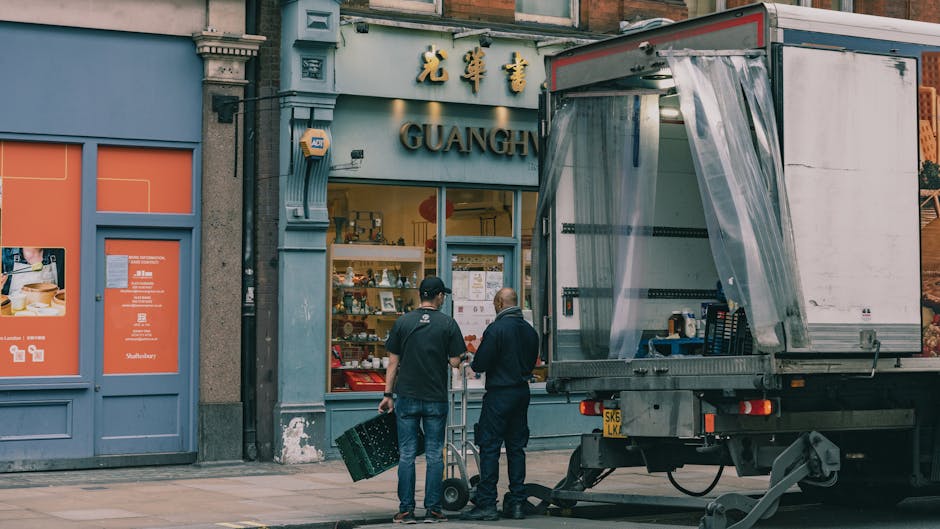
Why Commercial removals for shops near Kensington Olympia station Matters
Shops near Kensington Olympia station operate in an area where timing matters. There are commuters, event visitors, delivery windows, narrow side streets, and the usual London mix of stop-start traffic. A retail move in this setting is less about brute force and more about coordination. If the handover is messy, the whole business feels it: staff lose time, customers get confused, and stock can end up in the wrong place at the wrong moment.
The station area also tends to suit businesses that rely on presentation. Clothing rails, fitted shelving, glass cabinets, POS equipment, small stockrooms, and branded displays all need a careful approach. A rushed move can mean scratched fixtures, broken packaging, or missing signage that should have been ready for opening morning. That's the sort of thing that leads to a long, unpleasant Tuesday.
There's another reason it matters: many local shops are not huge. They may be independent, owner-run, or staffed by a small team that cannot simply disappear for two days. A sensible commercial move is built around keeping the business running, or at least getting it back up quickly. That is where local knowledge, careful packing, and realistic scheduling earn their keep.
If your move includes fittings, stockroom pieces, or delicate shop furniture, you may also find the dedicated furniture removals service useful, especially when item handling matters as much as transport.
How Commercial removals for shops near Kensington Olympia station Works
A shop removal usually begins with a site review or at least a detailed phone discussion. The aim is to understand what is being moved, how far, when access is available, and whether any awkward items need special handling. A good mover will ask about stock volume, shelving, boxes, till systems, mirrors, display units, and anything fragile or valuable. If they don't ask, that's a small warning sign.
From there, the move is usually broken into stages: packing, labelling, dismantling, loading, transport, unloading, and placement. The key is not speed alone. It is sequencing. For example, stock might be packed by category or shelf area, while front-of-house fixtures are protected separately so the shop can be rebuilt in the right order. A moving crew that understands retail operations will care about more than just getting everything from A to B.
Near Kensington Olympia station, access planning can be just as important as packing. You may need to think about loading bay availability, shared entrances, lift access, stairwells, and whether the unit sits on a busy stretch where a van must be positioned quickly and safely. In some cases, a smaller vehicle or a man and van option in West Kensington can make a lot more sense than a larger vehicle if the street layout is tight or the load is modest.
Many shops also choose to combine the move with temporary holding space. If the new unit is not ready, or if you need to stagger the reopening, storage in West Kensington can be a practical bridge. Not glamorous, maybe, but very useful.
Key Benefits and Practical Advantages
The biggest advantage of a well-managed shop move is continuity. If stock is packed logically and fixtures are handled properly, the business can return to trading faster and with fewer surprises. That sounds obvious, but it is the detail that saves the day. A label on every box. A separate bag for screws and fixings. One box for tills and cables. It all adds up.
Another benefit is damage reduction. Retail stock often includes items that are awkward rather than heavy: glassware, cosmetics, display products, framed prints, or premium packaging. These need careful wrapping and stable loading. A team experienced in packing and boxes in West Kensington can help reduce breakage and make unpacking far less chaotic. And yes, unpacking chaos is real. Anyone who has spent half an hour looking for a printer cable knows this.
There is also a staffing benefit. If you are not asking your own team to carry heavy boxes, dismantle shelving, and figure out how to fit everything into a van, they can stay focused on serving customers and preparing the next location. For smaller shops, that can be the difference between a move that feels manageable and one that becomes a week-long drain.
Finally, a properly planned move protects your brand. Customers notice when a business reopens smoothly, with displays intact and service ready. They also notice when a shop looks half-broken for days after relocation. That impression tends to linger, so it is worth doing right.
| Approach | Best for | Strengths | Watch-outs |
|---|---|---|---|
| Full commercial removals crew | Medium to larger shop relocations | Managed packing, loading, and setup support | Needs clear planning and access details |
| Small van move | Light shop loads or quick transfers | Flexible, fast, often ideal for narrow streets | Less suitable for bulky fixtures |
| Staged move with storage | Refits, delayed handovers, or phased reopening | Reduces pressure on opening date | Requires more coordination |
Who This Is For and When It Makes Sense
This kind of move suits independent retailers, pop-up brands, salons with retail stock, small galleries, gift shops, vape shops, health and beauty stores, and any business that mixes customer-facing space with stock or display equipment. It also makes sense for businesses expanding a few doors down, relocating within the local area, or moving from a temporary unit into a permanent one.
It is especially useful if your shop has:
- fragile stock or display items
- custom shelving or fitted units
- electrical equipment, tills, or card machines
- time-sensitive opening dates
- limited staff who cannot manage the move alone
- access challenges near the station or surrounding streets
On the other hand, if the move is very small and mostly involves boxed stock, a simpler removal van service may be enough. It is not always about choosing the biggest service; sometimes the smartest move is the lightest one. To be fair, that's often how the smoothest jobs happen.
If your business also has an upstairs flat, live-in staff accommodation, or a mixed-use property, it may be worth looking at flat removals in West Kensington too, because mixed-use moves often need two planning mindsets at once.
Step-by-Step Guidance
1. Confirm what is being moved
Start with a clean inventory. Separate stock, fixtures, equipment, paper records, signage, and anything that must be handled by a specialist. That list does not have to be perfect, but it should be honest. A forgotten boxed display stand is annoying; a forgotten glass cabinet is a bigger problem.
2. Set the move date around your trading pattern
For shops near Kensington Olympia station, the ideal date often depends on footfall patterns, nearby events, supplier deliveries, and your own busiest trading times. Sometimes an evening or early morning move makes sense. Sometimes a midweek slot is better. The right answer is the one that reduces disruption, not the one that simply looks convenient on paper.
3. Prepare the old and new premises
Clear walkways, protect floors, check keys, and confirm access arrangements at both ends. If the new site has shelving that must be assembled first, say so early. If the old shop has awkward stairs, low ceilings, or shared access with other tenants, mention that too. Small details save time.
4. Label everything properly
Labels should tell the team what a box contains and where it belongs. "Till cables - counter" is better than "misc". "Window display" is better than "fragile stuff". The more specific you are, the less likely you are to end up hunting through six identical boxes later on.
5. Pack high-value and fragile items with extra care
Glass, electronics, point-of-sale equipment, and branded stock should be wrapped properly and loaded securely. If a move includes especially delicate items, ask whether any parts should travel separately. This is where careful packing really earns its place.
6. Rebuild in a sensible order
Unload stock and furniture in the sequence that helps reopening. Usually that means base fittings first, then key equipment, then stock, then display finishing touches. It is not about making the room look pretty for the van team. It is about making it function.
7. Check the final handover
Before anyone leaves, do a final walk-through. Look for forgotten items, scuffed surfaces, loose fixings, and any box that looks like it was meant for another room entirely. Happens more than you might think.
Expert Tips for Better Results
One of the simplest expert tips is to appoint a single decision-maker. Not a committee. One person. Commercial moves go smoother when one person can answer access questions, confirm priorities, and make quick decisions on the day. If four people give four different instructions, the job slows down fast.
Another useful habit is to prepare a "first day open" kit. Keep it with you, not in the van. Include keys, cash float details, chargers, a basic toolkit, cleaner, tape, scissors, a spare pen, and anything needed to reopen the counter. That tiny bag can save a lot of stress.
Use colour coding if your shop has several zones. For example, blue labels for stockroom, green for front-of-house, yellow for office paperwork. It sounds a bit fussy, maybe, but colour systems are brilliant when everyone is tired and moving quickly.
If the move is tied to a broader business change, speak openly about timing and backup options. Some shops in the area choose to prepare their new site in stages, then move the final stock overnight. Others use same-day removals in West Kensington to compress downtime. Both can work; the key is matching the method to the risk.
And keep your photographer, designer, or sign installer in the loop if you are changing the layout. A move is a chance to improve the flow of the shop, not just repeat the old setup in a different postcode.

Common Mistakes to Avoid
The first common mistake is underestimating access. A shop may look easy to reach until the van arrives and finds a narrow loading space, a busy side road, or a tight doorway. Measure first, assume nothing.
The second is treating stock like household clutter. Retail stock needs order. If products from different ranges get mixed together, unpacking becomes much slower and mistakes creep in. That is especially awkward if items are seasonal or have barcodes that need to be kept in sequence.
The third mistake is leaving packing too late. A last-minute scramble often leads to weak boxes, missing labels, and damaged contents. Better to pack gradually and check as you go. Quietly, this is one of the most important parts of the whole job.
The fourth is forgetting about compliance and safety responsibilities. Even a small shop move can involve manual handling, trip hazards, blocked exits, or electrical equipment that needs safe handling. If the team is rushing around while customers still come and go, the risk rises. No one wants that.
Finally, do not assume every mover understands retail. Household removals and shop removals overlap, but they are not the same thing. Shop removals need attention to branding, stock flow, opening priorities, and equipment placement. That distinction matters.
Tools, Resources and Recommendations
For a shop move near Kensington Olympia station, a practical toolkit often includes sturdy cartons, bubble wrap or paper wrap, tape, marker pens, furniture blankets, strap-down ties, and labelled bags for screws and fittings. You may not need all of it, but once you need a screwdriver at 7 a.m., you really need a screwdriver.
Useful supporting services include:
- packing support and packing materials for fragile or mixed stock
- storage options when the new unit is not ready yet
- insurance and safety information for added reassurance
- pricing and quote guidance when you are comparing move options
- direct contact with the team if you want to talk through access or timing
Some businesses also benefit from reading local area content to understand the feel of nearby streets and the wider neighbourhood context. For a more local flavour, the company's blog on galleries and studios in Kensington gives a sense of the creative business environment around here, which can matter if your shop serves design-minded customers or works alongside local artists.
Law, Compliance, Standards and Best Practice
Commercial removals do not usually involve complicated legal procedure for the customer, but there are still practical duties to respect. A business owner or manager should think about safe lifting, safe access, fire exits, and the handling of electrical items and records. If the move happens in a shared building, you may also need to follow building rules about access times, lift use, and loading zones.
Health and safety is the big one. Anyone lifting heavy stock or awkward fixtures should do so carefully and within their ability. If something looks too heavy, too high, or too unstable, stop and use the right help. It sounds obvious, yet the obvious is where people often slip. A professional mover should have a clear approach to risk awareness, and you can review the company's own health and safety policy if you want reassurance before booking.
Insurance is another sensible consideration. Accidents are uncommon when a move is planned well, but they can happen. Ask what protection is in place for goods in transit and for handling at both ends. Also confirm whether fragile or high-value items need special notice in advance.
For businesses that value ethical operations, it can also be worth looking at the company's modern slavery statement, especially if you prefer working with suppliers that set out their standards plainly. And if you want to understand service terms before booking, the terms and conditions page is worth a careful read. Not thrilling, admittedly, but useful.
Best practice is simple: communicate clearly, document what is moving, protect access routes, and avoid improvising with heavy or valuable goods. A move can be efficient without being reckless. That balance is the whole point.
Options, Methods, or Comparison Table
Not every shop move needs the same level of support. Here is a straightforward comparison of common options.
| Method | Ideal scenario | Pros | Cons |
|---|---|---|---|
| Full retail removal | Larger shop relocation or complex stock | Most hands-on help, better for fittings and displays | Needs the most planning |
| Man and van | Smaller local move, limited stock or boxed items | Flexible, often cost-efficient, easy for short distances | Less suitable for heavy or complex fixtures |
| Phased move with storage | Delayed fit-out or gradual reopening | Reduces pressure on opening day | More coordination across dates |
If you are unsure which route fits your business, compare the physical size of the load, the deadline, and the level of dismantling involved. A tiny shop with ten boxes is not the same as a fashion retailer moving rails, mirrors, branded stock, and a back office. Sounds obvious. Still worth saying.
Case Study or Real-World Example
Imagine a small independent shop near Kensington Olympia station preparing to move a few streets away. The business sells home accessories, framed prints, and a handful of display items that look simple until you try to move them. The owner wants to close at the end of trading on Friday and reopen on Monday morning. Tight schedule. Familiar story.
The move works best when broken into manageable parts. On Thursday evening, the team packs the till area, printer, cables, and office files into clearly labelled boxes. Fragile prints go in protected sleeves. Display stock is grouped by shelf and range. On moving day, the new unit is already clean and ready, with the largest fixtures unloaded first so the layout can be rebuilt quickly. The owner keeps the first-day essentials in a separate bag. Keys, float, chargers, tape, and a snack or two. Because, let's face it, nobody functions brilliantly on fumes.
The most useful decision in this example was not the van size or the number of boxes. It was the sequence. By choosing the order in which things moved, the shop was able to reopen with less confusion and a much cleaner handover. That is the real lesson. Good removals are often just good sequencing, repeated patiently.
Practical Checklist
- Confirm the moving date and trading impact early
- List all stock, fixtures, equipment, and fragile items
- Check access, parking, stairways, and building rules at both sites
- Decide whether you need full removals, a van-only move, or storage
- Pack stock by category and label each box clearly
- Keep tills, cables, and essential paperwork separate
- Protect glass, screens, and branded display pieces carefully
- Prepare a first-day-open kit for the new shop
- Review insurance, safety, and service terms before the move
- Do a final walk-through at both premises before signing off
If you want help planning the right service mix, the company's removal companies page for West Kensington can be a useful starting point when comparing local support.
Conclusion
Commercial removals for shops near Kensington Olympia station work best when they are treated as a business continuity project, not just a transport job. The most successful moves protect stock, keep access clear, respect local conditions, and give the shop a realistic path back to trading. That means careful packing, sensible timing, and a team that understands how retail spaces actually operate.
If you are moving a shop in this area, start with the practical questions: what needs to move, how fragile is it, how fast do you need to reopen, and what access challenges might get in the way? Once those answers are clear, the rest becomes much easier to organise.
Get a free quote today and see how much you can save.
And if you prefer to talk it through first, that is completely fine. A quick conversation can save a lot of stress later, and a calm move really does set the tone for the next chapter.