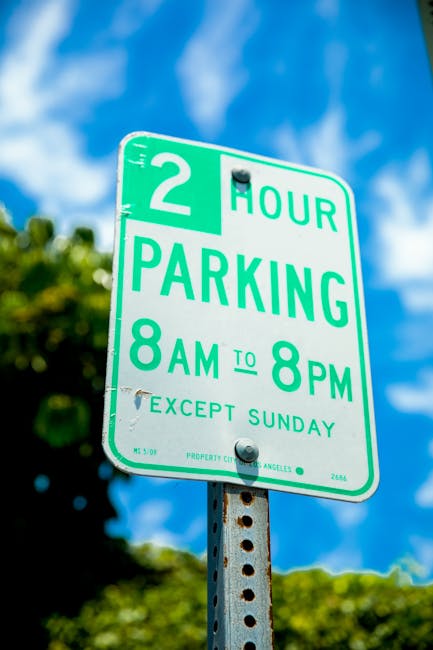
Kensington and Chelsea council removals parking and permit rules
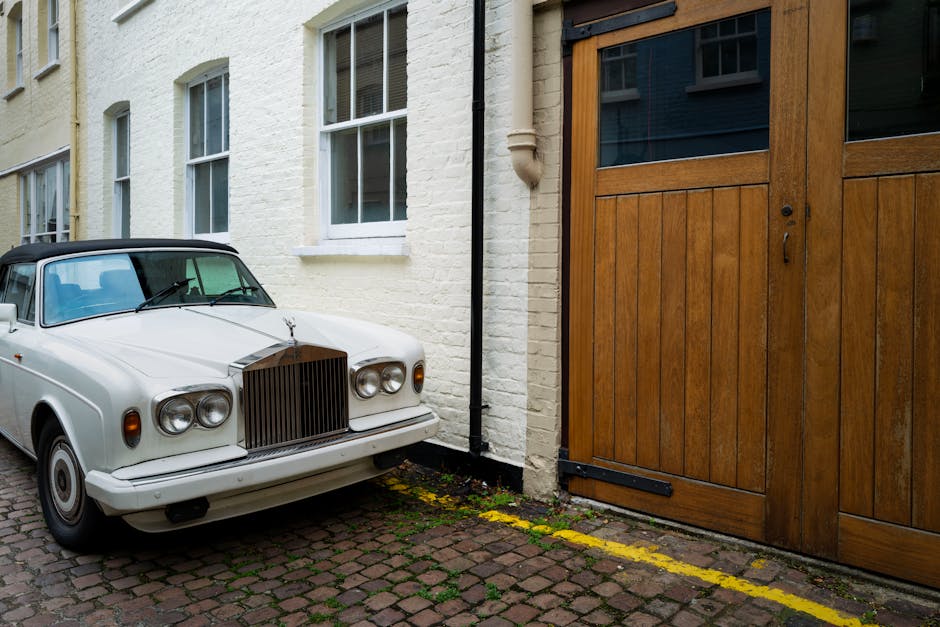
If you are moving in or out of Kensington and Chelsea, the parking side of the job can be the part that quietly causes the biggest headache. Tight streets, controlled bays, resident zones, suspended parking, and the need for a sensible loading plan can turn a straightforward move into a messy one if you leave it too late. Kensington and Chelsea council removals parking and permit rules matter because they affect where the van can stop, how long it can stay, and whether your move runs on time or drifts into avoidable stress.
This guide breaks the topic down in plain English. You will learn how the rules usually work, why they matter for home and office moves, what to check before moving day, and how to reduce the risk of penalties, delays, or a van circling the block with everyone getting more and more frustrated. Let's face it, nobody wants that sound of a reversing alarm echoing down a narrow London street at 8:00 in the morning.
Whether you are planning home moves, a flat move, or a larger relocation with a removal van, a little preparation goes a long way. The same applies if you are comparing man and van options or arranging something bigger through removal services.
Why Kensington and Chelsea council removals parking and permit rules Matters
Kensington and Chelsea is one of those boroughs where the street layout alone can make moving day feel like a small logistical puzzle. Many roads are busy, parking is tightly managed, and loading space can disappear quickly. If your vehicle cannot stop close to the property, every box, chair, and wardrobe has to travel further on foot. That means more time, more effort, and more chance of a snag.
The parking and permit rules matter for a few simple reasons:
- they help you avoid penalties for stopping in the wrong place;
- they protect your moving schedule from unnecessary delays;
- they reduce stress for neighbours, building managers, and movers;
- they make it easier to plan access for larger vehicles or multiple trips;
- they support safer loading and unloading on narrow streets.
In practical terms, the issue often starts with one question: where will the van stand while you move everything? That is the real-world question behind the phrase Kensington and Chelsea council removals parking and permit rules. The answer depends on the road, the time of day, local restrictions, and sometimes temporary changes such as roadworks or suspension notices.
Expert summary: Treat parking as part of the moving plan, not an afterthought. If the vehicle position is sorted early, the rest of the move usually feels calmer, quicker, and far more manageable.
How Kensington and Chelsea council removals parking and permit rules Works
There is no single universal rule for every street in the borough. Instead, you need to think in layers: the road restrictions, the bay type, the vehicle size, the length of stay, and whether a permit or another type of authorisation is needed. That can sound complicated, but once you break it down, it becomes much easier to handle.
Most removals in the borough involve one or more of these parking scenarios:
- Controlled parking bays where waiting is limited and loading may only be allowed under certain conditions.
- Resident permit areas where a moving vehicle may need permission or must follow specific loading rules.
- Single yellow lines which may allow loading at certain times, but not parking in the usual sense.
- Suspended bays where a bay has been temporarily taken out of use for works, filming, or another authorised reason.
- Red routes or busier distributor roads where stopping restrictions are stricter and easier to get wrong.
For a removal van, the key distinction is between parking and loading. A loading activity may be treated differently from ordinary waiting, but that does not mean you can stop anywhere without checking. You still need to confirm that the place, time, and activity fit the local rules. That is where a lot of people trip up.
It also helps to remember that some buildings have their own access rules. Estate roads, private forecourts, service yards, and communal entrances may need permission from a managing agent or concierge. So, yes, the council rules matter - but they are only part of the picture.
If you are moving from a top-floor flat, a place with no lift, or a building with a tight entrance, you may also want to think about flat removals support or extra handling help. Small access details can have a big effect on the whole day.
Key Benefits and Practical Advantages
Getting the parking side right is not just about avoiding a ticket. It changes the whole tone of the move. Here is what a proper plan gives you.
- Less delay: the crew can work near the door instead of trekking back and forth from a distant parking spot.
- Lower risk: fewer awkward lifts, fewer trips across traffic, and less chance of damage to items or walls.
- Better timing: you can keep to booking slots, building access windows, and lift reservations.
- Fewer surprises: there is less chance of a last-minute scramble to move the van.
- Cleaner communication: everyone involved knows the plan, which helps on a stressful day.
There is also a financial angle. A move that runs smoothly usually costs less in hidden ways, even if the parking arrangement itself takes some planning. When a van has to be moved repeatedly or a crew has to wait around, time gets wasted. That can become expensive, especially for timed bookings.
For business moves, the benefit is even clearer. Office teams need predictable access, and clients often need the space cleared fast. If you are relocating equipment, files, or IT kit, the parking setup should be agreed early with the removal team. If your move is more complex, services such as office removals or commercial moves can be useful because they are built around tighter planning and cleaner sequencing.
Who This Is For and When It Makes Sense
This topic matters to more people than you might expect. It is not only for large household moves. In fact, many of the trickiest parking issues come from smaller moves in dense streets where there is little room to manoeuvre.
You will benefit from understanding Kensington and Chelsea council removals parking and permit rules if you are:
- moving house or flat in the borough;
- using a van for student accommodation or a short-term move;
- relocating an office, studio, or small business;
- arranging furniture collection or disposal;
- moving a heavy item such as a piano or large wardrobe;
- using a same-day or late-booked move and need a fast parking decision.
This also matters if you are comparing vehicle options. A compact man with van setup may fit more easily on a tight street than a larger lorry, but the smaller vehicle still has to obey the same local restrictions. Bigger does not always mean better. Sometimes the sensible choice is the one that can actually stop legally near the property.
To be fair, many people only start thinking about this once the boxes are already packed and the kettle is unplugged. That is understandable, but it is also where the trouble begins. A little early planning makes the difference between a calm handover and an awkward, sweaty dash to carry a sofa two streets away.
Step-by-Step Guidance
Here is a practical way to handle parking and permit planning without overcomplicating it.
- Check the exact address and access point. Find out whether the entrance is on a main road, side street, mews, estate road, or courtyard.
- Look at the type of parking nearby. Identify bays, yellow lines, loading bays, or suspended areas before the move date.
- Confirm your time window. Some streets are more manageable early in the morning, while others become difficult because of school traffic, shopping activity, or commuter pressure.
- Ask about permissions. If you live in a managed building, check whether the agent or concierge needs advance notice.
- Plan the vehicle size. A smaller van may be easier to place, while a larger vehicle may need more careful positioning or a different route.
- Allow buffer time. Parking issues can eat into the schedule. Build in a margin rather than booking things back-to-back.
- Prepare the items closest to the door. Keep heavy, awkward, or essential items ready first so the loading sequence is efficient.
- Keep mobile contact open. If the crew needs to adjust the stop location, they should be able to reach you fast.
One small but useful habit: walk the route from the front door to the kerb before moving day if you can. You will spot things you did not notice from a quick glance. A narrow step, a awkward gate latch, a low branch, or even a patch of uneven pavement can all matter when you are carrying something bulky.
If you are still deciding on support, man with a van services are often a good fit for smaller loads, while a larger booking through removals may suit a full household or more delicate furniture.
Expert Tips for Better Results
In our experience, the moves that go best are not necessarily the easiest ones. They are the ones where the parking plan is boringly clear. Boring is good here. Boring saves time.
- Do not assume the space outside your home is usable. A free-looking spot may still be restricted at the exact time you need it.
- Reserve enough room for loading doors and ramps. If the van is squeezed too tightly, every trip becomes clumsy.
- Think about neighbours. If you block entrances or force others to reverse, the mood on the street changes quickly. Not ideal.
- Keep essentials separate. If parking is delayed, you will not want to hunt for passports, chargers, or medication inside a mountain of boxes.
- Photograph temporary restrictions. If a bay suspension or access note is visible, a quick photo can help keep the plan clear.
- Choose the right packing sequence. Items in the first load should be ready to move immediately, which is easier if you use organised packing and boxes support or a structured packing plan.
A good removal team will usually build the parking plan into the booking conversation. If that is not happening, ask. Plainly. Better to sound thorough than to discover a problem at 7:30 on a wet Tuesday morning when the street is already half full.
And one more thing: if a vehicle can legally stop a little further away but with a safer loading angle, that can sometimes beat trying to force a stop right by the door. The closest space is not always the best space.
Common Mistakes to Avoid
Most parking problems in removals are very ordinary mistakes. The sort of thing a person only realises after the fact. Here are the ones worth watching for.
- Leaving parking checks until the day itself. By then, there may be no workable option left.
- Confusing loading with parking. They are not always treated the same way.
- Ignoring building rules. Council permission does not automatically solve private access rules.
- Booking a van that is too large for the street. This creates avoidable delays and awkward manoeuvres.
- Forgetting about school runs, rush hour, or weekend activity. Timing matters, even on quieter roads.
- Not telling the removal team about awkward access. Steps, gates, steep inclines, and narrow entrances all shape the plan.
- Assuming someone else has handled the permit. Double-check who is responsible. That one gets people a lot.
There is also the classic mistake of underestimating the load. A move that looks small in a hallway can grow fast once the sofa comes out, then the bookshelf, then the garden chair no one remembered. Suddenly the van needs more time than expected and the parking window feels very short indeed.
Tools, Resources and Recommendations
You do not need a complicated toolkit to handle this properly. What you need is a tidy process and a few simple checks.
| Tool or resource | What it helps with | Best use case |
|---|---|---|
| Street view or a site walk | Checking road width, bay layout, and loading access | Before booking a vehicle |
| Booking notes | Recording access details, stair counts, and parking instructions | When arranging the move |
| Building manager contact | Confirming gate codes, lift reservations, and parking permissions | Flats, estates, and managed buildings |
| Vehicle plan | Matching van size to street conditions and item volume | Any move with limited kerb space |
| Labelled boxes | Speeds loading and unloading if parking time is tight | Busy streets and timed slots |
For most people, the best practical recommendation is simple: keep the move efficient and the paperwork tidy. If you are arranging a straightforward local move, a smaller vehicle through removal van hire may be enough. If you want full support with carrying, loading, and timing, a broader service may be the better fit.
If the move involves temporary storage because access is awkward or completion timing is uncertain, looking at storage can take pressure off the day itself. That breathing space is underrated.
Law, Compliance, Standards, or Best Practice
Parking and permit arrangements in Kensington and Chelsea should always be treated carefully because they sit within local traffic management rules and broader UK road-use expectations. The exact requirements can vary by street, by time, and by type of restriction. So the safest advice is not to assume - confirm.
Good practice usually includes the following:
- checking whether the loading activity is permitted at the planned time;
- making sure the vehicle does not obstruct traffic, crossings, entrances, or emergency access;
- keeping documentation or booking confirmation available if needed;
- coordinating with any building management or concierge team;
- using a suitably insured, well-maintained vehicle and trained handling team.
That last point matters more than people think. A reliable removals provider should work in a way that respects local restrictions and reduces disruption. If you are evaluating a provider, it is sensible to look at their health and safety policy and insurance and safety information as part of your decision. Those pages tell you a lot about how seriously the business treats risk and planning.
For trust and payment clarity, it can also help to review pricing and quotes, payment and security, and the terms and conditions. That way, the commercial side of the move is as clear as the parking side. Which, frankly, is how it should be.
Options, Methods, or Comparison Table
Different moves need different parking approaches. The trick is matching the method to the street and the load, not just picking the biggest vehicle because it sounds efficient.
| Method | Best for | Strengths | Watch-outs |
|---|---|---|---|
| Small van / man and van | Studios, flats, lighter loads | Easier to place on tight streets, often more flexible | May need several trips if the load is bigger than expected |
| Standard removals van | Typical household moves | Balanced capacity and manoeuvrability | Still needs proper kerb access and timing |
| Large removal truck | Full-house or commercial relocations | Higher capacity, fewer journeys | Harder to park in narrow or restricted streets |
| Split move with storage | Moves with uncertain access or timing | Reduces time pressure and parking stress | Needs extra planning and coordination |
For many West London moves, a balanced approach works best: enough vehicle capacity to avoid endless trips, but not so much size that the van becomes a parking problem. If you need a larger vehicle, removal truck hire may be suitable, though it is worth checking the street layout first. Common sense, really, but common sense saves money.
Case Study or Real-World Example
Here is a realistic example from a typical Kensington and Chelsea move, stripped of drama but very familiar in practice.
A couple moving from a second-floor flat near a busy residential road had booked a small removal team for a Friday morning. They assumed the van could stop directly outside. On a quick walk-through the day before, it became obvious that the nearest bay was usually occupied and the opposite side of the street had a time restriction that would have clashed with the planned load.
Instead of hoping for the best, they adjusted the plan. The removal team arrived slightly earlier, used a safer loading point a short distance away, and started with the heaviest items first. Boxes were labelled in advance, the lift was booked, and the building manager was notified. Nothing fancy. Just proper sequencing.
The result? The move stayed calm, the street disruption was minimal, and the couple avoided the sort of last-minute parking scramble that can sour the whole day. One of them actually laughed afterwards and said the moving van had spent less time arguing with the street than they had expected. A bit of relief goes a long way.
That is the general lesson here: the best outcome usually comes from planning the route, not just the room layout.
Practical Checklist
Use this checklist a day or two before moving day. It is simple, but it catches the usual traps.
- Confirm the exact pickup and drop-off addresses.
- Check whether either street has parking restrictions or bay controls.
- Ask who is arranging any permit or permission required.
- Confirm building access, lift bookings, and concierge instructions.
- Measure awkward furniture and note any items needing extra care.
- Decide whether a small van, standard van, or larger truck is most realistic.
- Plan the loading sequence so priority items go first.
- Keep a contact number available throughout the move.
- Set aside essentials you do not want in the main load.
- Review your mover's safety, insurance, and terms pages before confirming.
If your move is especially tight on time, same day removals can sometimes help, though last-minute jobs need even more care around parking because you have less room for error.
Get a free quote today and see how much you can save.
Conclusion
Kensington and Chelsea council removals parking and permit rules are not the glamorous part of moving, but they are often the part that decides whether the day feels smooth or chaotic. Once you understand the street restrictions, the need for proper loading space, and the importance of checking permissions early, the whole process becomes much more manageable.
The main lesson is straightforward: treat parking as a core part of the move plan. Match the vehicle to the street, confirm the rules before moving day, communicate clearly with everyone involved, and leave yourself a small cushion of time. That is usually enough to turn a stressful job into a controlled one.
If you are moving soon, keep the plan simple, double-check the details, and trust the process. One good decision at the parking stage can save you a lot of noise, walking, and frustration later on. And honestly, that calm start is worth a lot.
Frequently Asked Questions
Do I need a permit for removals parking in Kensington and Chelsea?
Sometimes, but not always. It depends on the exact street, the bay type, the time of day, and whether you are loading or parking. Always check the local restrictions and confirm the access plan before moving day.
Can a removal van stop on a single yellow line while loading?
In some situations loading may be allowed, but that is not the same as free parking. You need to check the specific restriction in that street and make sure the stop is genuinely for loading and unloading.
What happens if I do not sort parking in advance?
You may face delays, extra carrying distance, and possibly penalties if the vehicle stops in the wrong place. The move can still happen, but it is usually more stressful and less efficient.
Is a small van better than a large removal truck in Kensington and Chelsea?
Often, yes, if the street is narrow or parking is tight. A smaller vehicle is usually easier to position legally. That said, if you have a large volume of items, too small a van can create extra trips, so it is a balance.
What should I ask my removal company about parking?
Ask who is responsible for permits or permissions, what vehicle size they recommend, whether they have moved in the area before, and what happens if access is restricted on the day.
Do flats and managed buildings have extra access rules?
Very often, yes. Many apartment buildings, estates, and converted houses have their own rules about loading, lift use, entry codes, or service access. Check these separately from any council restrictions.
How early should I check the parking situation?
Ideally several days before the move, and earlier if you are moving in a busy area or during a period with roadworks, events, or temporary suspensions. The earlier you check, the more options you have.
What if the nearest parking space is already taken on moving day?
Have a backup plan. That might mean a nearby loading point, a different arrival time, or a slightly smaller vehicle. A good removal team will usually adapt, but it helps if the fallback option is already thought through.
Can I use storage if parking or access makes the move awkward?
Yes, that can be a very practical solution. If access is limited, completion timing changes, or you simply need breathing space, storage can make the move less pressured.
Are same-day bookings more difficult for parking and permits?
Usually they are, because there is less time to plan the route and secure permissions. It is still possible in some cases, but the parking checks need to happen quickly and carefully.
Should I look at safety and insurance information before booking?
Definitely. A move involves vehicles, heavy lifting, and public streets, so it is wise to check safety and insurance details before confirming the job. It gives you a better sense of how professionally the move will be handled.
What is the simplest way to avoid parking problems on moving day?
Check the street restrictions, confirm any permissions, choose the right size vehicle, and leave a time buffer. That is the short version. It is simple, but it works surprisingly well.